Lucia Valenti’s Revenge
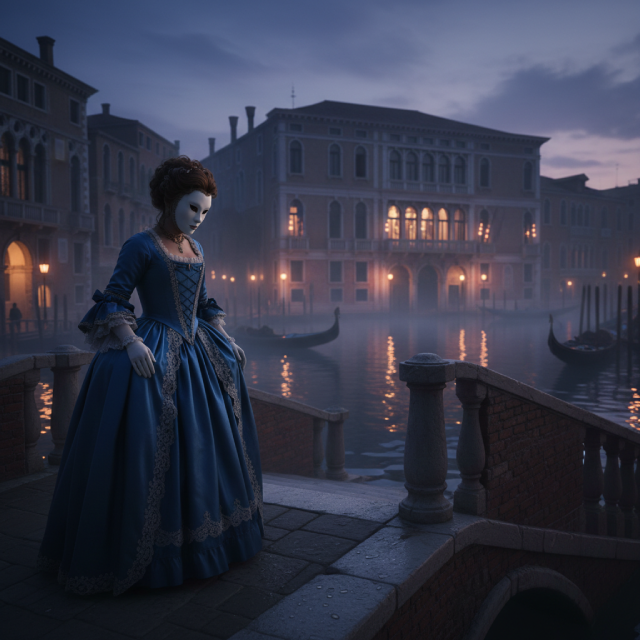
Venice, 1754. Behind the opulence of the silk trade lies a world of betrayal.
Lucia Valenti was born to inherit an empire. Instead, she was left with nothing. When her brother Lorenzo forged their father’s will, he didn’t just steal her fortune— casting her into the gutters of Venice–, he stole her soul. For three years, Lucia has survived the shadows, fueled by a singular, burning purpose: to watch Lorenzo lose everything. The only thing more dangerous than a man with a secret is a woman with nothing left to lose. But revenge, even successful revenge, comes at a price.
Published on 04 avril 2026
The Witch Famine
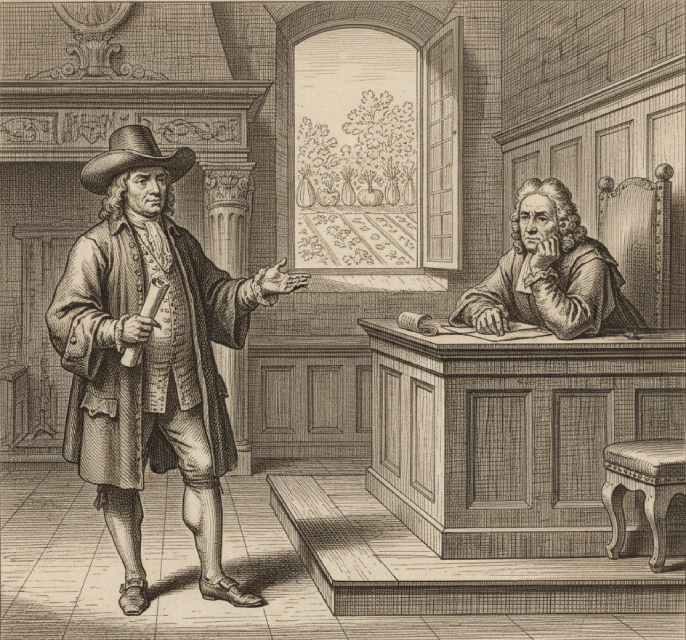
The political economy of the witch hunts: in 1682, Louis XIV's edict reforming witchcraft trials transferred confiscated property to the Crown, rather than to the accuser. The correlation—striking and entirely unsurprising—with the collapse in the number of denunciations is noteworthy.
Published on 02 avril 2026
The Imprint
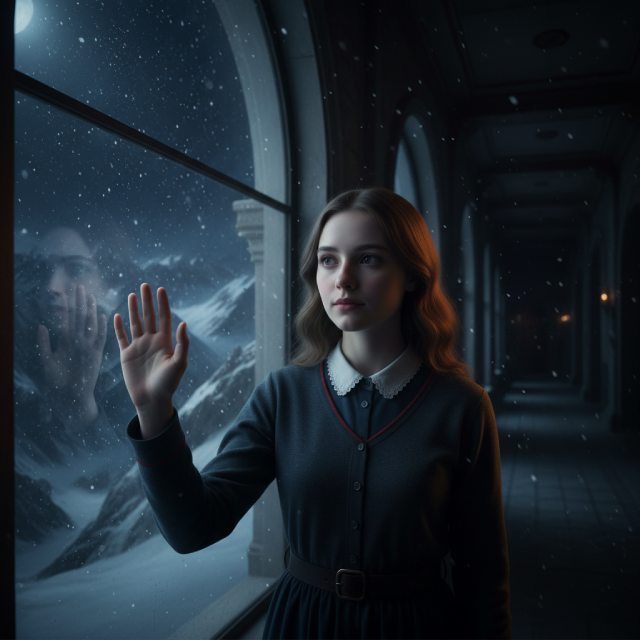
Born after her mother suffered a chemical accident, Elara possesses a physiological coldness that sets her apart from the world of men. At the High Peaks Institute, isolated in the snow and silence, her absolute calm is interpreted as a threat. They say she was born dangerous. That she is the product of a mistake, not of a deliberate choice.
For the headmaster, she is a biological time bomb. For her philosophy professor, she is living proof that the soul can transcend the flesh. The Imprint is a reflection on redemption. Can we choose to be human when everything within us compels us not to be?
Published on 29 mars 2026
The Last Brotherhood
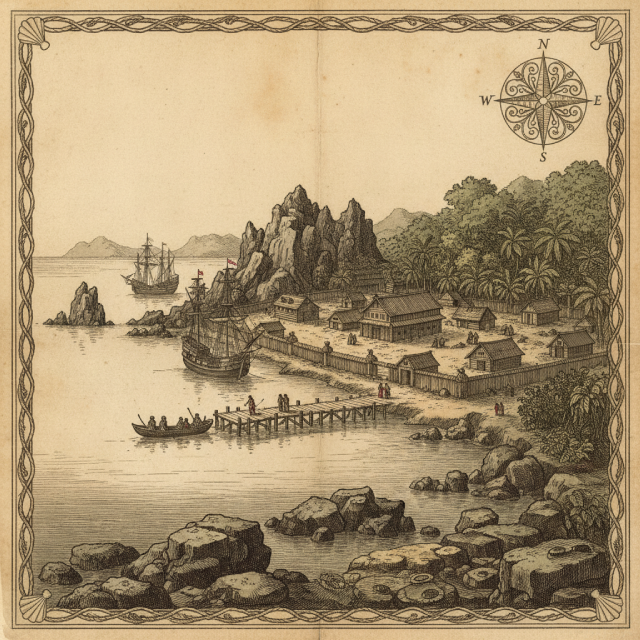
At the end of the 17th century, somewhere on the coast of Madagascar, some men are said to have founded a republic. They supposedly shared wealth, abolished hierarchies, and refused to own other men. In short, they presumably refused to believe that the world order was predetermined. They are said to have lived like this for about fifteen years, then disappeared. The problem is, we don't know for sure if they existed. What is certain is that the question they posed has never disappeared.
Published on 27 mars 2026
The Dance of Frau Troffea
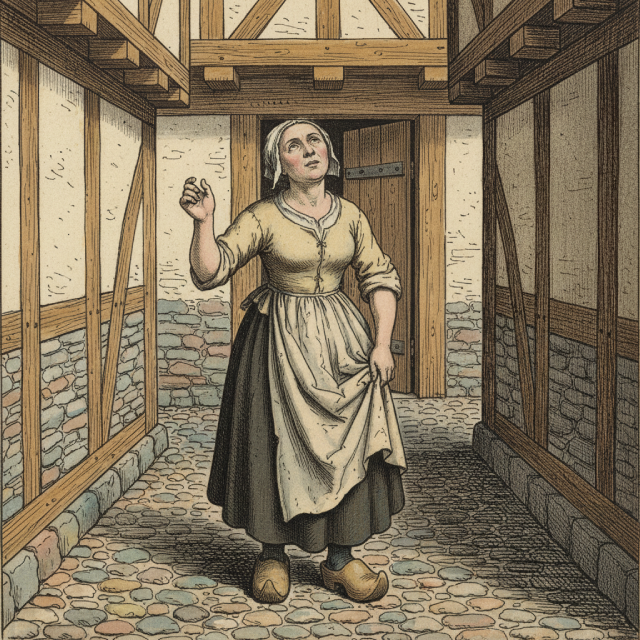
In 1518, in Strasbourg, several hundred people began dancing in the street and couldn't stop. The dancing lasted for weeks. Some dancers died from exhaustion or heart attack.
What exactly happened remains a mystery.
Published on 23 mars 2026
The Rose of the Dead
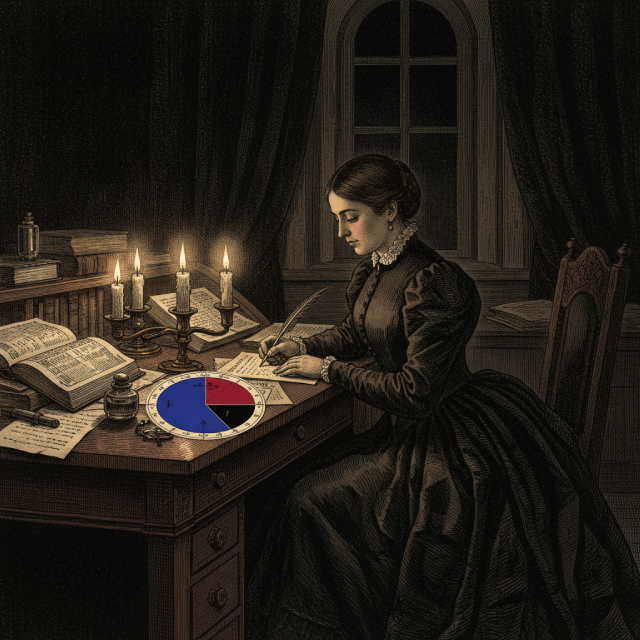
Florence Nightingale is famous for reforming military hospitals. What is less well known is that she was the first to use pie charts—the forerunners of our modern-day pie graphs—to convince the British Parliament that soldiers were dying not from their wounds, but from infections contracted in the hospitals themselves. She won the battle by presenting figures as images. She understood before almost anyone else that data is nothing in itself, that it must serve the living. The rose of the dead to save the living yet to come.
Published on 21 mars 2026
Purple in the Dust
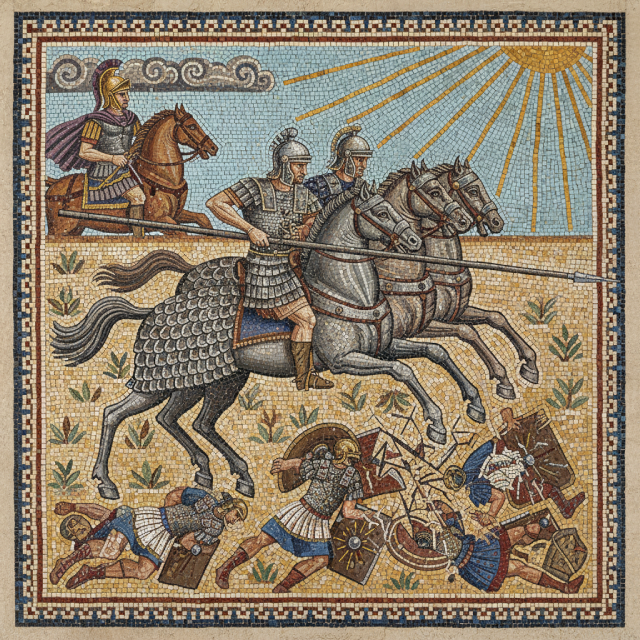
The greatness of an empire is measured less by its victories than by the way it survives its defeats. And Rome, despite everything — despite Edessa, despite the shame, despite the years of chaos that followed — Rome survived for two centuries more. You have been warned.
Published on 17 mars 2026
Isabel Barreto, Admiral of the South Seas
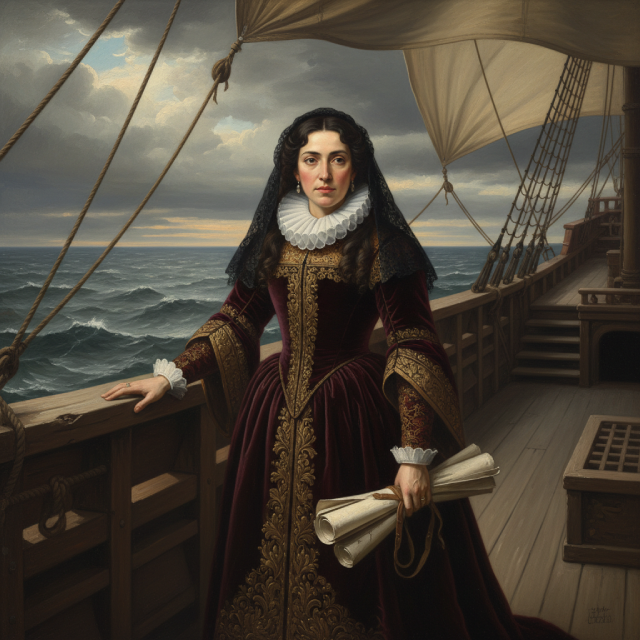
Isabel Barreto, a 16th-century Spanish navigator, was the first female admiral in the history of Spanish navigation, officially commanding a fleet in the Pacific. She took command after her husband's death at sea, in extreme conditions, and ruled authoritatively despite the objections of her own officers.
Published on 15 mars 2026
The Gods' Smoke
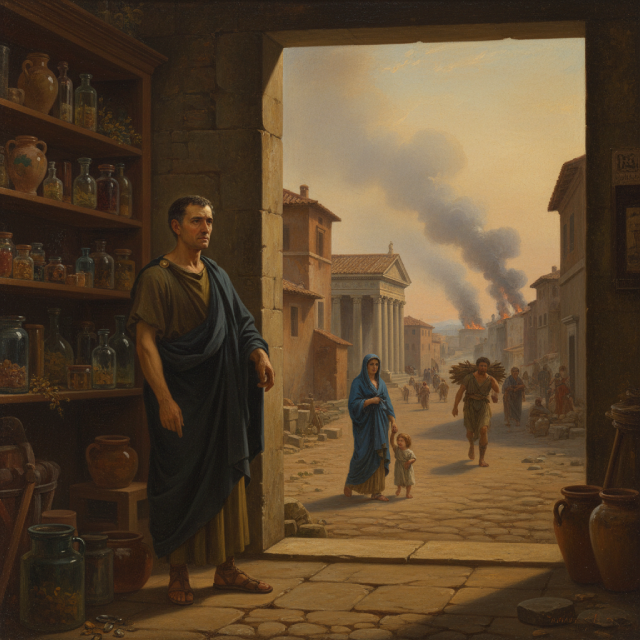
The Antonine Plague (165–180 AD), most likely smallpox or measles, brought back by the legions from the Parthian campaign, killed between five and ten million people across the Roman Empire. The physician Galen observed it and left precise clinical descriptions. The Emperor Marcus Aurelius, Stoic philosopher, lost his co-regent Lucius Verus to it in 169 and continued to govern the Empire while writing his Meditations — a reflection on death, duty, and the impermanence of all things.
Published on 13 mars 2026
The Conspiracy
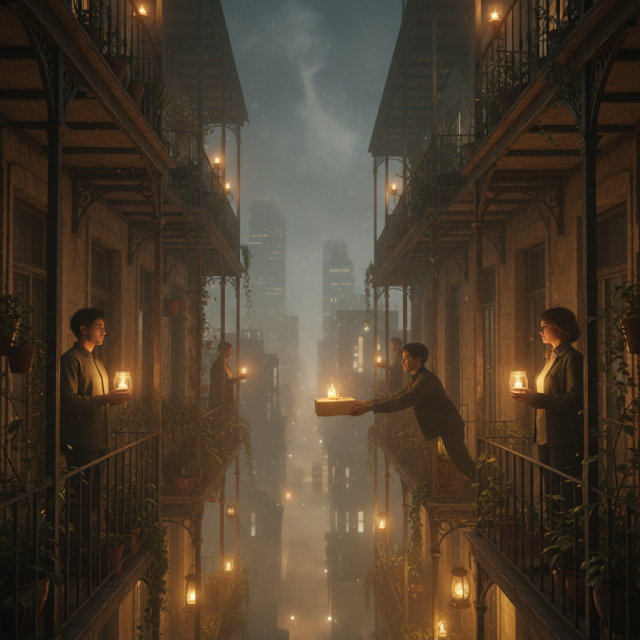
Why should I be the only one not belonging to the conspiracy sphere? Here, then, is my conspiracy. And what's more, it's plausible.
Published on 01 mars 2026